
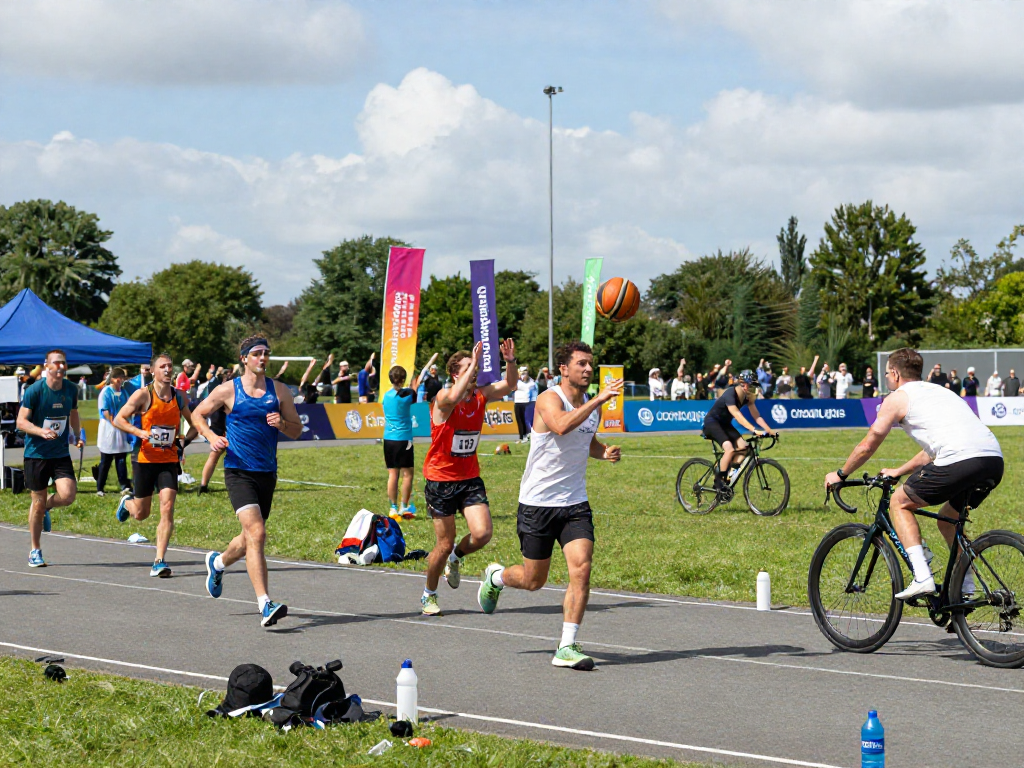
Understanding the Importance of Fair Play in Sports
The concept of Fair play extends beyond mere compliance with rules; it embodies the spirit of sportsmanship that drives equitable and respectful competition. In a world where sports often define cultural identities and personal aspirations, understanding fair play becomes paramount. This comprehensive exploration of fair play will delve into its significance, challenges, and the practices that help cultivate an environment where athletes can thrive both on and off the field.
What is Fair Play and Why Does It Matter?
Fair play is a fundamental principle that emphasizes ethics in sports, highlighting respect, integrity, and adherence to the spirit of the game. It serves as the cornerstone of sportsmanship and fosters an environment where competitors can showcase their abilities without resorting to unsportsmanlike conduct. By promoting fairness, we not only enhance the quality of the competition but also nurture values that resonate beyond the sports arena, impacting societal interactions.
The Role of Fair Play in Sportsmanship
Sportsmanship encompasses the attitudes and behaviors that athletes and teams exhibit towards one another. Fair play is integral to sportsmanship, serving as a guiding principle that encourages respect among participants. When athletes embrace fair play, they create an atmosphere that values effort, discipline, and camaraderie, reducing tensions that often arise from competition. This positive environment fosters meaningful relationships between players, coaches, and supporters, ultimately enriching the sporting experience.
How Fair Play Enhances Competition
Fair play enhances competition by ensuring that all participants have an equal opportunity to excel. When the rules are followed, and respect is upheld, outcomes genuinely reflect the athletes' skills and preparation, rather than the influence of external factors such as cheating or misconduct. This authenticity is vital for the integrity of sports. Furthermore, fair play encourages a culture of accountability, where athletes learn to take responsibility for their actions and decisions, instilling a sense of pride in their performance regardless of the outcome.
Challenges and Misconceptions about Fair Play
Common Misconceptions Surrounding Fair Play
Despite its importance, several misconceptions surrounding fair play can hinder its effective implementation. One common belief is that fair play implies weakness or a lack of competitiveness, which is far from the truth. In reality, upholding fair play requires immense mental strength and dedication, as it often means resisting the temptation to cut corners or engage in unethical behavior. Additionally, some may perceive fair play as merely adhering to rules; however, it also involves embracing the values that foster respect and integrity in all interactions.
Overcoming Barriers to Fair Play in Competitive Sports
Barriers to fair play can arise from various sources, including a win-at-all-costs mentality, peer pressure, and even societal expectations that glorify aggressive tactics. To combat these challenges, education and awareness campaigns are crucial. Initiatives that target athletes, coaches, and parents can help instill the importance of fair play from a young age, fostering a culture of integrity that prioritizes ethical conduct over mere victory.
The Impact of Media on Fair Play Perceptions
The media plays a significant role in shaping public perceptions of fair play. Coverage that highlights unsportsmanlike conduct or ethics violations can overshadow the positive examples of sportsmanship and fair play. Consequently, it is essential for media outlets to promote narratives that celebrate athletes who exemplify fair play, thereby providing role models for aspiring competitors. By focusing on stories of integrity, media can help shift societal norms towards valuing fair competition.
Best Practices for Promoting Fair Play
Strategies for Coaches and Teams to Promote Fair Play
Coaches are at the forefront of instilling values of fair play within their teams. They can implement strategies such as role-playing scenarios that emphasize ethical decision-making, encouraging open discussions about the importance of respect and integrity in sports. Establishing clear behavioral expectations, alongside positive reinforcement for displaying fair play, can help normalize these values within the team's culture.
Encouraging Parents and Spectators to Model Fair Play
Parents and spectators play a critical role in nurturing a fair play environment. They can set an example by demonstrating supportive behavior toward all athletes, regardless of their team affiliations. By fostering a culture of respect in the stands, parents and spectators can reinforce the values that children are learning on the field. Workshops and community events can further educate families about the significance of fair play and its impact on youth sports.
Implementing Fair Play Policies in Organizations
Organizations involved in sports can greatly benefit from adopting formal fair play policies. These guidelines should outline expected behaviors and the consequences of violations, ensuring accountability among athletes, coaches, and officials. Regular training and workshops can help familiarize all stakeholders with these policies, fostering a unified approach to promoting fair play across all levels of competition.
Real-World Examples of Fair Play in Action
Case Studies of Successful Fair Play Initiatives
Numerous organizations and leagues have successfully implemented fair play initiatives that serve as models for others. For instance, the Fair Play Program in the European Union promotes good conduct through rewards and recognition for teams that exemplify sportsmanship, encompassing everything from youth leagues to professional levels. These initiatives highlight the benefits of fair play, illustrating how respect and integrity can enhance the sporting experience for everyone involved.
Influential Athletes Who Embody Fair Play
Many athletes have become champions of fair play, using their platforms to advocate for ethical behavior in sports. Icons like Roger Federer and Serena Williams have consistently demonstrated respect for their opponents, earning admiration for their sportsmanship as much as for their athletic achievements. Their commitment to fair play sets a powerful example for aspiring athletes, illustrating that success in sports goes hand-in-hand with integrity.
Community Impact of Fair Play Programs
Fair play initiatives extend beyond the field, having a profound community impact. Programs that promote fair play not only develop better athletes but also foster a sense of community among participants. They encourage local engagement and cooperation, showing that sports can unite individuals from diverse backgrounds around common values. This community spirit reinforces the importance of fair play, creating lasting bonds between athletes and their supporters.
Future Trends in Fair Play for 2026 and Beyond
Emerging Technologies Supporting Fair Play
As we look toward the future, emerging technologies are set to play a critical role in promoting fair play. Enhanced analytics, wearable technology, and instant replay systems can help ensure that rules are adhered to, reducing the prevalence of cheating and misconduct. By leveraging these innovations, sports organizations can create a more transparent and accountable environment, where fairness is paramount.
Forecasting the Evolution of Sports Ethics
The landscape of sports ethics is continuously evolving, shaped by societal changes and advancements in technology. As discussions around mental health, inclusion, and integrity in sports gain momentum, fair play will remain a central theme in these conversations. The next few years will likely see a refined focus on promoting positive behavior, reinforcing the idea that fair play is essential to the health of sports.
How Global Events Shape Fair Play Standards
Global events, such as the Olympics and World Cup tournaments, have a significant impact on the perception and standards of fair play. These events draw extensive media attention and provide a platform for promoting ethical behavior on a grand scale. As world events continue to evolve, so too will the expectations surrounding fair play, driving a collective movement toward higher standards across all sports.
What are the core principles of Fair Play?
The core principles of fair play include respect, integrity, accountability, and sportsmanship. These principles guide athletes' behavior and decision-making on and off the field, fostering an environment where everyone competes fairly and ethically.
How can athletes demonstrate Fair Play on the field?
Athletes can demonstrate fair play by following the rules, showing respect to opponents and officials, and accepting outcomes gracefully, regardless of whether they win or lose. By prioritizing sportsmanship, they set an example for others and contribute to a positive sporting culture.
What are the consequences of not adhering to Fair Play?
Failing to adhere to fair play can lead to penalties such as loss of points, disqualification, and damage to an athlete's reputation. More importantly, it undermines the integrity of the sport, impacting the experiences of all participants and reducing public trust in competitive events.
How is Fair Play promoted at the youth level?
At the youth level, fair play is often promoted through educational programs that emphasize the importance of ethics in sports. Coaches and organizations may implement training sessions, workshops, and team-building activities that focus on teamwork, respect, and good sportsmanship to instill these values early on.
What organizations focus on promoting Fair Play initiatives?
Several organizations focus on promoting fair play initiatives, including the International Fair Play Committee (CIFP) and various national sports federations. For more information, FairPlay offers valuable insights. These organizations work towards creating a culture of integrity in sports by providing resources, support, and recognition programs that celebrate fair play and sportsmanship.