
Understanding the Hit Club Concept
The concept of a hit club is an innovative approach to community sports, encompassing a range of informal, fun, and engaging activities that prioritize enjoyment and social connection. Unlike conventional sports leagues that often adhere to strict competition and formal structure, hit clubs focus on inclusivity and participation, making them accessible to individuals of all skill levels. As sports culture evolves, the hit club model is gaining traction, drawing individuals looking for a more relaxed yet active way to connect with others. When exploring options, hit club provides comprehensive insights into how these clubs operate within different communities.
What is the Hit Club in Sports?
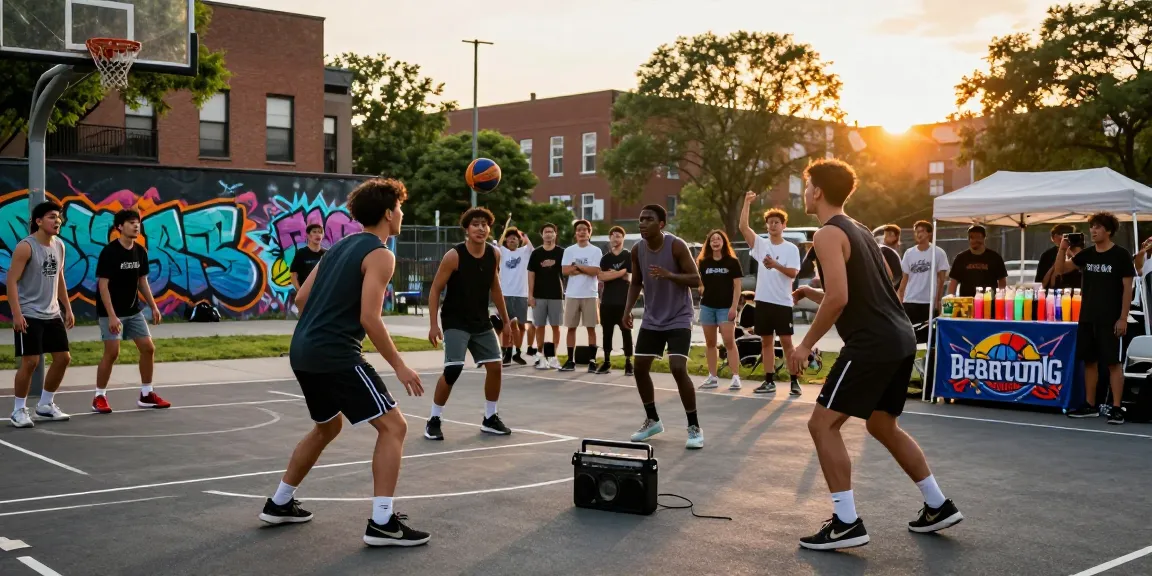
A hit club is an informal association where participants engage in various sports or physical activities without the traditional constraints of competitive leagues. Typically, these clubs emphasize participation over competition, allowing members to enjoy activities without the pressures associated with winning. This model is particularly appealing to those who may feel intimidated by formal sports settings, making sports more approachable. Members can often choose what activities they want to participate in, which might include everything from pickup games in basketball to casual soccer matches or even non-traditional sports like ultimate frisbee or kickball.
The Cultural Significance of Hit Clubs
Hit clubs have emerged as a vital part of community culture, fostering relationships among diverse groups of people. They create spaces where individuals from different backgrounds come together, breaking down socioeconomic barriers and promoting a healthier, more active lifestyle. Moreover, they play a critical role in enhancing mental well-being through social interaction, exercise, and the development of friendships. As these clubs continue to grow, they may even influence local culture, leading to events and community activities centered around sports that bring even more people together.
Comparing Hit Clubs to Conventional Leagues
While conventional leagues often require formal registration, adherence to strict schedules, and commitment to regular competitions, hit clubs operate on a more flexible basis. This flexibility allows for a broader range of participation, catering to those who may have varying levels of commitment or who simply want to enjoy sports without the pressure of formal competition. Hit clubs also tend to cultivate a more relaxed atmosphere, focused on enjoyment rather than solely on performance. The shift from traditional league play to hit clubs represents a growing desire for community engagement and physical activity without the rigid boundaries previously associated with sports.
Benefits of Joining a Hit Club
Community Connection and Engagement
One of the primary benefits of joining a hit club is the sense of community it fosters. Participants often form strong bonds with one another through shared experiences and activities. This not only enhances social connections but also promotes inclusivity, inviting members from diverse backgrounds to engage and build friendships. Furthermore, hit clubs provide opportunities for local residents to become involved in their neighborhoods, helping to build a stronger sense of community through collective participation.
Health and Fitness Advantages
Engaging in regular physical activity is essential for maintaining health, and hit clubs provide a flexible way to do just that. Members are likely to be motivated by the social aspects of the club, finding it easier to maintain a regular exercise routine when they are part of a community. Additionally, participating in various sports can improve cardiovascular health, strength, and flexibility, while reducing stress levels. The informal nature of hit clubs encourages people of all fitness levels to participate, making exercise more accessible and enjoyable.
Skill Development and Opportunities
Hit clubs not only offer a platform for social interaction but also present numerous opportunities for skill development. Participants can learn new sports or improve their abilities in existing ones through regular practice and peer support. This learning environment is often less intimidating than traditional sports leagues, allowing individuals to grow at their own pace. With mentorship and encouragement from more experienced members, even novice athletes can gain confidence while honing their skills.
Challenges Faced by Hit Clubs
Common Misconceptions About Informal Sports
Despite their growing popularity, hit clubs face several challenges, including misconceptions about the legitimacy and structure of informal sports. Some individuals may perceive these clubs as less serious or valuable compared to traditional leagues. This stigma can deter potential participants who seek genuine sporting experiences and may advocate for more competitive environments. It is essential for hit clubs to communicate their benefits clearly to attract a broader audience and dispel these misconceptions.
Sustainability and Organization Issues
Another significant challenge is maintaining organization and sustainability within hit clubs. Without a formal governing body or structure, clubs may struggle with logistics, such as scheduling games, securing playing fields, and ensuring member participation. Establishing a reliable system for organizing events and activities is crucial for ensuring that the club remains active and engaging for its members. Clubs must also find ways to attract new participants and retain existing members through ongoing involvement and activities.
Balancing Fun and Competition
Hit clubs must navigate the delicate balance between fun and competition. While the emphasis is on enjoyment, some members may desire a more competitive atmosphere, which can lead to friction within the group. Finding the right mix of casual and competitive play is essential for the club’s success. By fostering an environment that encourages friendly competition without losing sight of the original goal—enjoyment—hit clubs can maintain engagement while appealing to a diverse range of preferences.
Best Practices for Running a Hit Club
Establishing Rules and Guidelines
To ensure a successful hit club, establishing clear rules and guidelines is paramount. These guidelines should address expectations regarding participation, conduct, and scheduling to prevent misunderstandings and keep the club functioning smoothly. Clear communication and a collaborative approach to developing these rules can help members feel involved and invested in their club, enhancing accountability and respect.
Creating an Inclusive Environment
Inclusivity is a cornerstone of successful hit clubs. It’s vital to create an environment where everyone feels welcome and valued, regardless of skill level or experience. This can be achieved by promoting a culture of support and encouragement, providing opportunities for new members to learn, and ensuring a balanced approach to participation in games and activities. Implementing initiatives that celebrate diversity and encourage participation from underrepresented groups can also enhance inclusivity.
Utilizing Social Media for Promotion
Effective use of social media is crucial for promoting hit clubs and attracting new members. By maintaining an active online presence, clubs can showcase their activities, share success stories, and engage with potential participants. Regular updates on social media platforms allow clubs to foster a sense of community and keep existing members informed about upcoming events. Developing a strong online identity can significantly contribute to the growth and sustainability of hit clubs.
The Future of Hit Clubs in 2026
Emerging Trends in Community Sports
As we look towards 2026, several trends are expected to shape the future of hit clubs. One key trend is the growing emphasis on mental health and well-being, with more individuals seeking activities that promote not only physical fitness but also emotional support. Hit clubs that prioritize these aspects are likely to thrive. Additionally, as communities continue to evolve, clubs that adapt to the changing needs and interests of their members will set themselves up for long-term success.
Impact of Technology on Gameplay and Organization
Technology is poised to have a significant impact on hit clubs, enhancing both gameplay and organizational efficiency. From apps that facilitate scheduling and communication to wearable devices that track performance, technological advancements can streamline operations and improve the overall experience for members. Embracing these tools will be essential for clubs looking to engage tech-savvy younger generations and maintain relevance in an increasingly digital world.
Predictions for the Evolution of Sports Engagement
The landscape of sports engagement is continually evolving, with hit clubs at the forefront of this transformation. As more individuals turn to informal sports settings, we anticipate a rise in hybrid formats that combine traditional elements with innovative practices. Hit clubs may integrate features such as virtual competitions or hybrid events that blend in-person and online experiences, ensuring broad participation and engagement. This evolution will highlight hit clubs as vital players in shaping the future of community sports.
What makes Hit Clubs unique compared to traditional sports?
Hit clubs redefine traditional sports by prioritizing fun, inclusivity, and community engagement over strict competition. This unique approach allows individuals of all backgrounds and skill levels to participate without the pressures that often accompany formal leagues. By embracing a relaxed yet active atmosphere, hit clubs cultivate a sense of belonging while promoting a healthier lifestyle.
How can I start my own Hit Club?
Starting your own hit club is an exciting opportunity to bring your community together. Begin by identifying a group of interested individuals and choose a sport or activity everyone enjoys. Establish a regular meeting time and location, and utilize social media to promote your club and attract new members. Finally, create guidelines that foster an inviting and supportive environment for all participants.
What are the costs associated with joining a Hit Club?
The costs associated with joining a hit club are typically minimal compared to traditional sports leagues. Many clubs operate on a voluntary basis or may ask for a small fee to cover equipment and facilities. This affordability often makes hit clubs an attractive option for individuals looking to engage in sports without the financial commitments that formal leagues might require.
How do Hit Clubs foster inclusivity in sports?
Hit clubs foster inclusivity by welcoming participants of all skill levels and backgrounds. By focusing on participation rather than competition, these clubs create an environment where individuals can learn and grow at their own pace. Encouraging a culture of support, respect, and camaraderie further enhances inclusivity, making it easier for newcomers to feel comfortable and engaged.
What future innovations can we expect in Hit Clubs?
Looking ahead, we can expect hit clubs to adopt innovative practices that leverage technology and community feedback. This may include integrating gamification elements to enhance engagement, utilizing virtual platforms for training and competitions, and exploring alternative sports that cater to diverse interests. As clubs continually evolve, they will play a critical role in shaping the future of community sports and well-being.