Understanding the Gemstone Market
The gemstone market is a complex and vibrant landscape, characterized by a variety of trends, player dynamics, and consumer preferences. As we look towards 2026, it is crucial to understand the key influences shaping this industry. With the rise of online shopping and increased awareness surrounding ethical sourcing, platforms like https://www.mygemspot.com are becoming essential for consumers seeking high-quality gemstones. This article will delve into current trends and the importance of merchant reputation in making informed purchasing decisions.
Key Trends in Gemstone Sales for 2026
The gemstone industry is experiencing a significant evolution, fueled by technological advancements and changing consumer preferences. Here are some key trends to watch for in 2026:
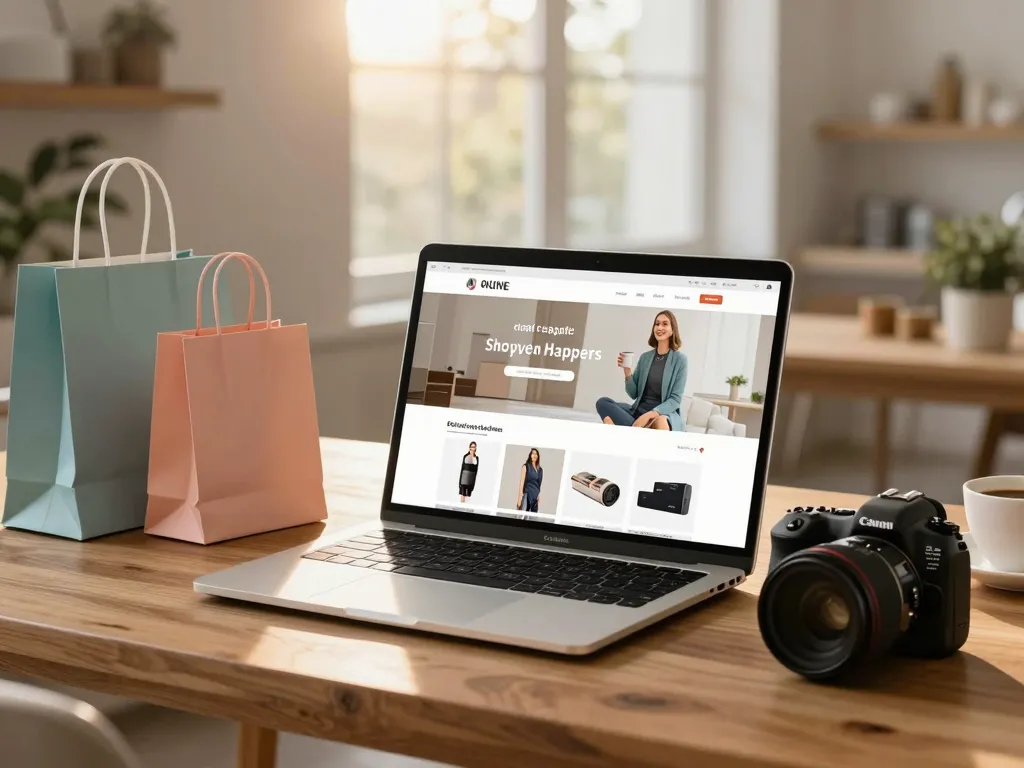
- Increased Online Sales: The shift towards e-commerce continues to reshape the market. Consumers now prefer the convenience of shopping online, particularly for niche products like gemstones.
- Focus on Sustainability: As more consumers become environmentally conscious, there is a growing demand for ethically sourced gemstones. Merchants that prioritize transparent supply chains and sustainable practices are likely to gain a competitive edge.
- Technological Integration: Adoption of augmented reality (AR) and virtual reality (VR) is on the rise, allowing customers to visualize gemstones in a more immersive manner before making a purchase.
- Personalization: Customized shopping experiences are becoming increasingly important, with merchants offering personalized recommendations based on customer preferences.
The Importance of Merchant Reputation
In the world of gemstones, merchant reputation is paramount. It directly influences consumer trust and purchasing behavior. A reputable merchant not only guarantees the quality of their products but also provides assurance regarding ethical sourcing practices. According to recent surveys, buyers are willing to pay a premium for gemstones from merchants with a solid reputation and positive customer reviews. Therefore, it is vital to consider a merchant’s history and feedback from previous customers when making a purchase.
Choosing Quality Over Quantity
When it comes to gemstones, consumers often face the dilemma of choosing between a wider selection or high quality. Focusing on quality is essential; gemstones are investments that should stand the test of time. Always remember the four Cs: cut, color, clarity, and carat weight. A gemstone with excellent quality in these categories will not only be more beautiful but also maintain its value over the years.
How to Evaluate Gemstone Quality
Understanding how to evaluate gemstone quality is critical for making informed purchases. The quality of gemstones can vary widely based on several factors, including their origin, treatments, and certifications.
Decoding Gemstone Ratings and Certifications
Gemstones often come with ratings and certifications that help buyers understand their quality. Certifications from recognized gemological laboratories provide details on a gemstone’s authenticity, characteristics, and quality. For example, a certification from the Gemological Institute of America (GIA) is highly respected and can significantly enhance a gemstone’s value. Buyers should always ask for these documents when making a purchase.
Common Misconceptions about Gemstone Quality
There are numerous misconceptions surrounding gemstone quality. One common myth is that all gemstones are irreplaceable and should be treated with the utmost care. While this is generally true, some gemstones are inherently more durable than others. For instance, diamonds are much harder and more resistant to scratching than softer stones like opals. Understanding these differences can influence how you care for your gemstones.
Steps to Inspect Gemstones Before Purchase
Before purchasing a gemstone, it is advisable to inspect it thoroughly. Here are several steps to consider:
- Visual Inspection: Examine the gemstone for visible inclusions and blemishes. High-quality stones should have minimal imperfections.
- Check the Cut: The cut greatly affects the stone’s brilliance. A well-cut gemstone will reflect light beautifully.
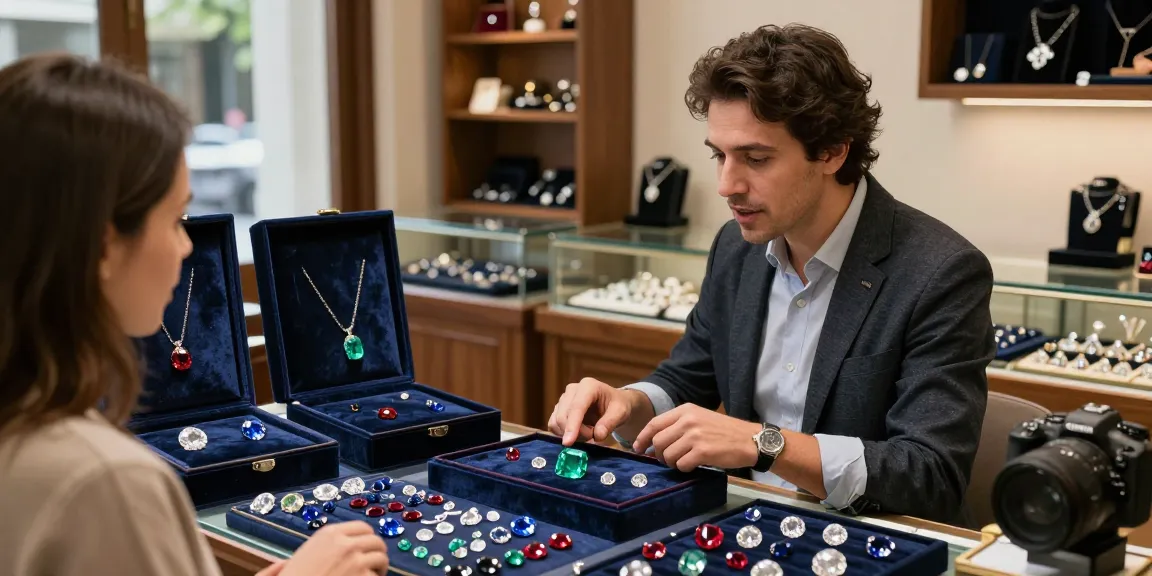
- Use a Loupe: A jeweler’s loupe can help you see finer details that are not visible to the naked eye.
- Ask for Certification: Always request a certification from a reputable gemological laboratory.
Benefits of Using a Curated Merchant Directory
As consumer options expand, utilizing a curated merchant directory can offer significant benefits. These directories provide a vetted list of sellers who have been thoroughly evaluated for quality and reliability. This helps mitigate the risks associated with purchasing gemstones, particularly online.
Finding Trustworthy Sellers with Rigorously Evaluated Listings
Curated merchant directories, like the one provided by My Gem Spot, feature only those sellers who meet stringent criteria. This means that as a buyer, you can shop with confidence, knowing that each listing has undergone rigorous examination.
The Role of Customer Reviews and Testimonials
Customer reviews are invaluable when selecting a merchant. They provide insights into previous buyer experiences and highlight any potential concerns. A high volume of positive testimonials typically indicates a trustworthy merchant, while consistently negative feedback should raise red flags.
How Curated Listings Enhance Your Shopping Experience
Curated listings streamline the shopping experience by narrowing down options to those that meet specific quality standards. This allows consumers to focus on merchants who are reputable, saving time and ensuring a higher likelihood of satisfaction in their purchase.
Tips for First-Time Gemstone Buyers
Entering the world of gemstones can be daunting for first-time buyers. To make the process easier, consider the following tips:
Understanding Different Types of Gemstones
Familiarizing yourself with various types of gemstones is essential. Each stone has unique properties, meanings, and uses. For instance, sapphires represent wisdom and nobility, while emeralds are associated with rebirth and love. Knowing these distinctions helps in selecting a gemstone that resonates with your personal values or the occasion.
Budgeting for Your Gemstone Purchase
Setting a budget is critical when buying gemstones. Prices can vary widely based on the quality, rarity, and market demand. Ensure you allocate funds accordingly to find a stone that meets both your aesthetic and financial criteria.
Avoiding Common Pitfalls When Buying Gemstones
First-time buyers can easily fall into traps that lead to poor purchasing decisions. Here are some common pitfalls to avoid:
- Buying without adequate research.
- Focusing solely on price rather than quality.
- Neglecting to ask for certifications and provenance.
- Overlooking the importance of merchant reputation.
Future Trends in the Gemstone Industry
The gemstone industry is poised for exciting advancements as we head into 2026. Here are some trends to keep an eye on:
Emerging Gemstone Technologies for Authenticity Verification
Technological innovations are making it easier to verify the authenticity of gemstones. Emerging technologies such as blockchain for tracking provenance and advanced imaging techniques for authenticity verification are changing the landscape. Consumers can expect to see more sellers adopting these technologies to enhance trust.
Sustainable Mining Practices Reshaping the Market
As consumers demand ethically sourced products, sustainable mining practices are becoming a focal point within the industry. Future trends will likely see a heightened emphasis on minimizing environmental impact and ensuring fair labor practices in gemstone mining.
Predictions for the Global Gemstone Industry by 2026
Analysts project that the global gemstone market will continue to grow, driven by increasing consumer demand for unique, high-quality stones. The market is expected to see further segmentation, with niche markets flourishing as consumers seek personalized experiences and sustainable options. With changing demographics and evolving consumer preferences, adaptability will be key for merchants in this dynamic industry.